
Roundup
The Best Hot Tub Filter Cartridges
Five cartridge lines ranked on build, coverage and value, plus the rotation habit that gets twice the life out of any of them.
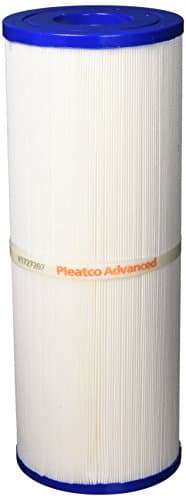
Top pick: Pleatco PRB50-IN replacement cartridge
Measure it, match it, clean it
The cartridge you need is decided by your tub, not by brand. Everything here starts from the one in your hand.

Everything in this section
Roundup
Five cartridge lines ranked on build, coverage and value, plus the rotation habit that gets twice the life out of any of them.
Top pick: Pleatco PRB50-IN replacement cartridge
Roundup
Jacuzzi filters sorted by series rather than by price, covering the J-200 ProClassic, the J-300 ProClear and the two-stage ProClarity system on the J-400 and above.
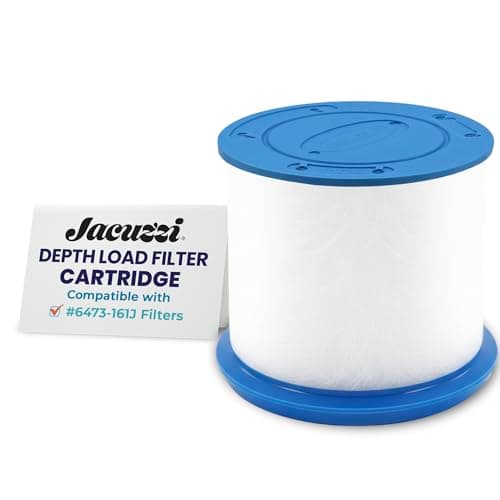
Top pick: Jacuzzi 6473-161J ProClarity depth load filter
Roundup
Sundance MicroClean and MicroClean Ultra elements compared, with the part numbers that separate the two generations and the disposable element people never replace.
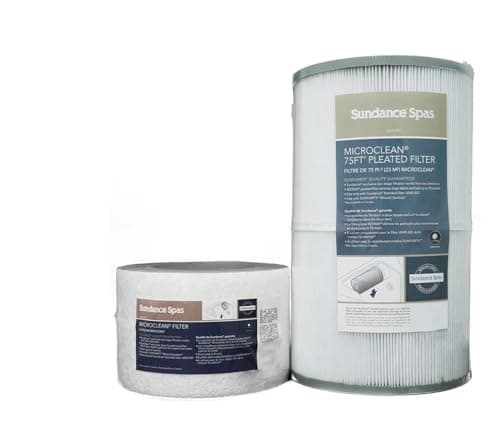
Top pick: Sundance MicroClean filter set, 6540-501 and 6540-502
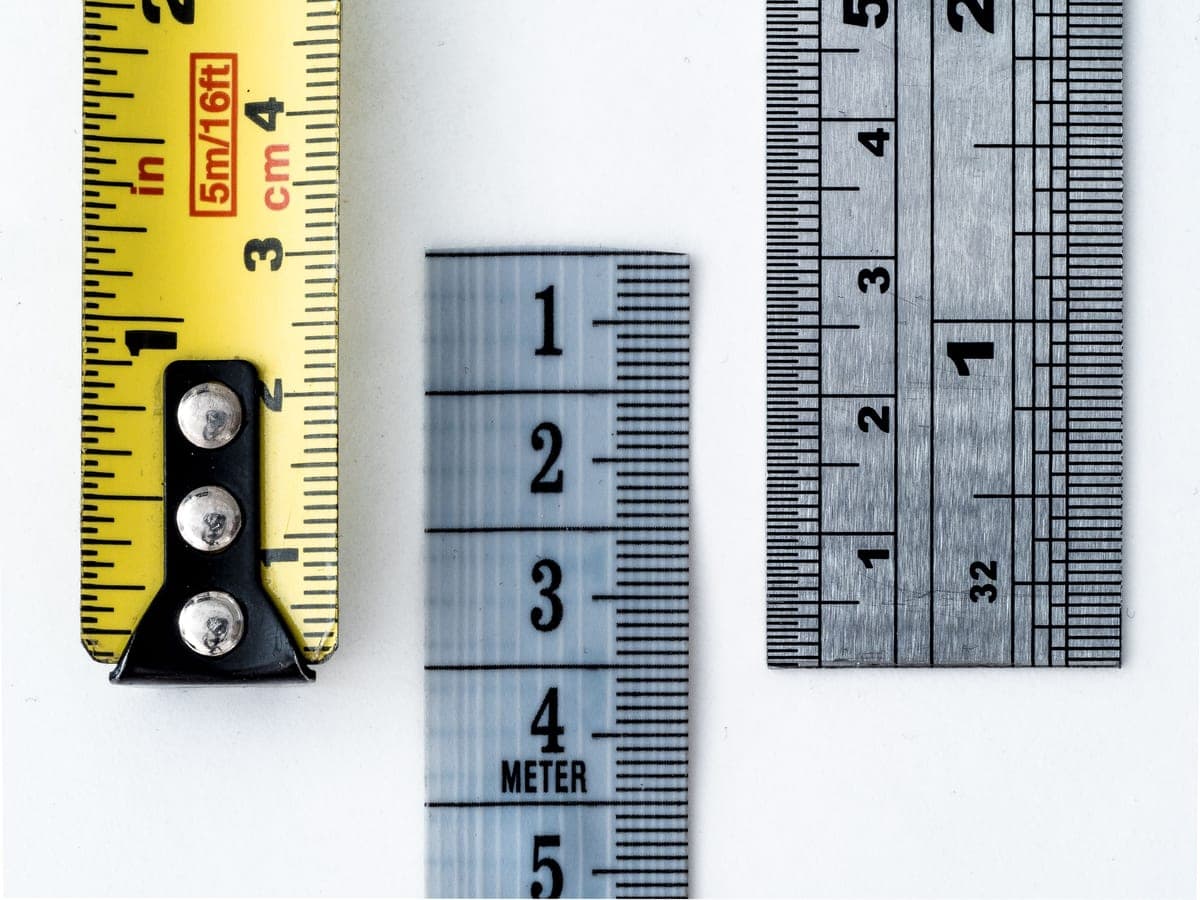
Roundup
Caldera 50, 75 and 100 elements compared on cross-reference clarity and price, plus the Watkins parts overlap that Hot Spring owners should know about.
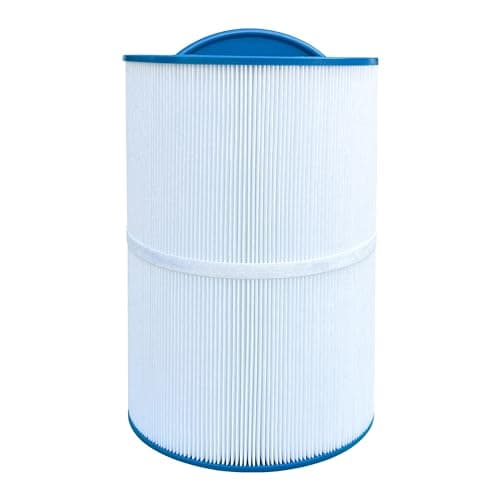
Top pick: Chryseos C-7350 filter, Caldera 50

Roundup
Softub 5020 and 5015 cartridges compared, with the July 2009 cutoff, the T-series models and why a 35 square foot filter needs changing more often than you expect.
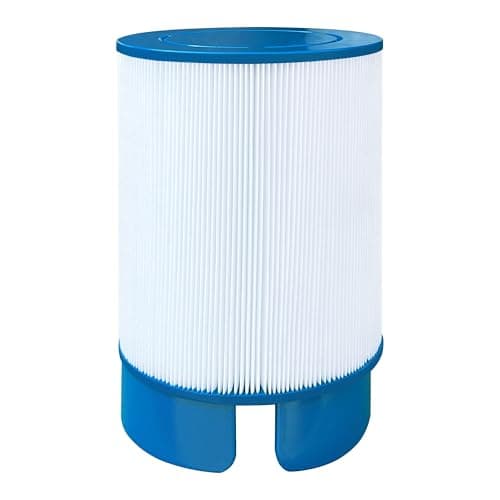
Top pick: Chryseos Softub 5020 filter, 35 sq ft
Roundup
Four Master Spa Eco-Pur replacement cartridges compared on cross-reference clarity, fit certainty and price, with the dimensions that tell you which one you need.
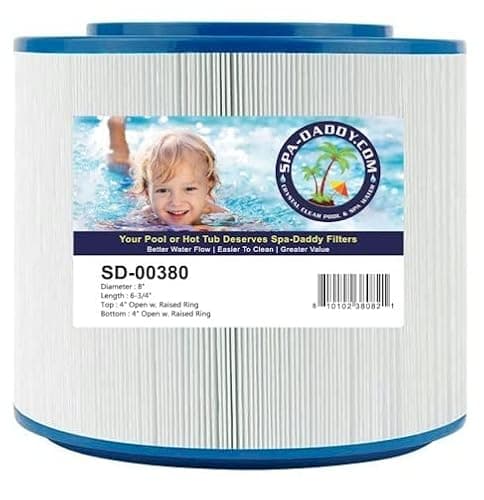
Top pick: Spa-Daddy SD-00380, Eco-Pur current style
Roundup
Bullfrog flat filters and round coreless cartridges compared, with the series lists, dimensions and end-hole sizes that decide which part your tub actually takes.

Top pick: Vickmons 10-00814 flat filters, 4-pack
Roundup
Hot Spring Tri-X ceramic filters in single, four and five packs, plus a pleated alternative that fits the same housings, compared on cost across years rather than sticker price.
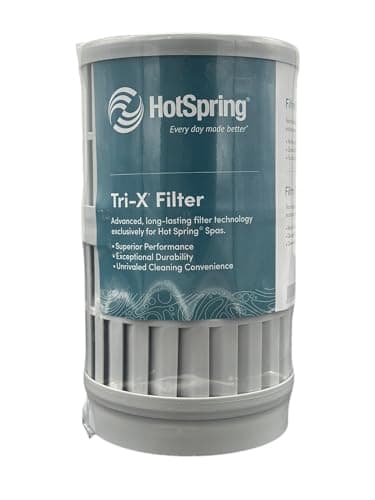
Top pick: Tri-X ceramic filters
Roundup
Type S1 for Intex, Type VI for Coleman and Lay-Z-Spa. Five cartridge packs compared on fit certainty and cost per cartridge.
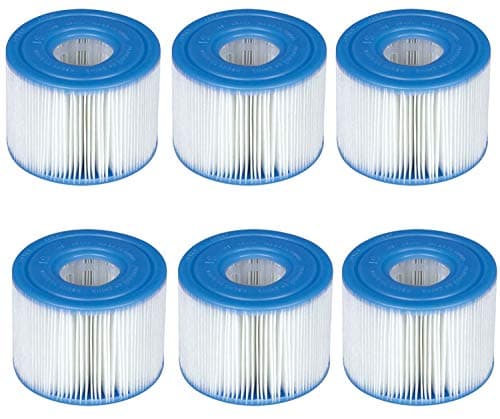
Top pick: Intex 29011E Type S1 cartridges, 6-pack
Comparison
The three big aftermarket cartridge brands compared on media, end caps, cross-referencing and price. Plus when the OEM cartridge is worth it.
Guide
Why a spare cartridge is the cheapest upgrade available, the rotation schedule, and the arithmetic on whether it pays.
Roundup
Five cleaners and tools, plus the two-second diagnostic that tells you which kind your cartridge needs.
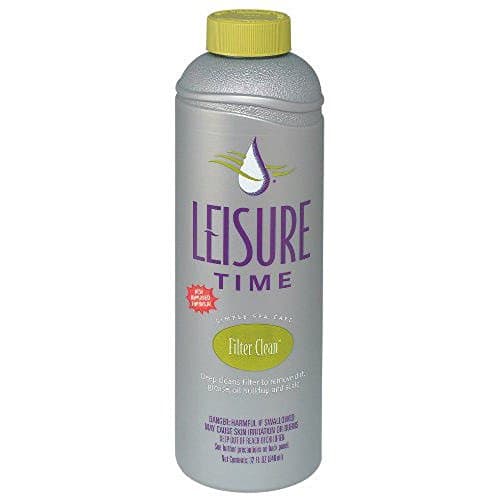
Top pick: Leisure Time Filter Clean
Finder
Take four measurements, match them to a cross-referenced part number, and buy from whichever of the three majors is cheapest.
Comparison
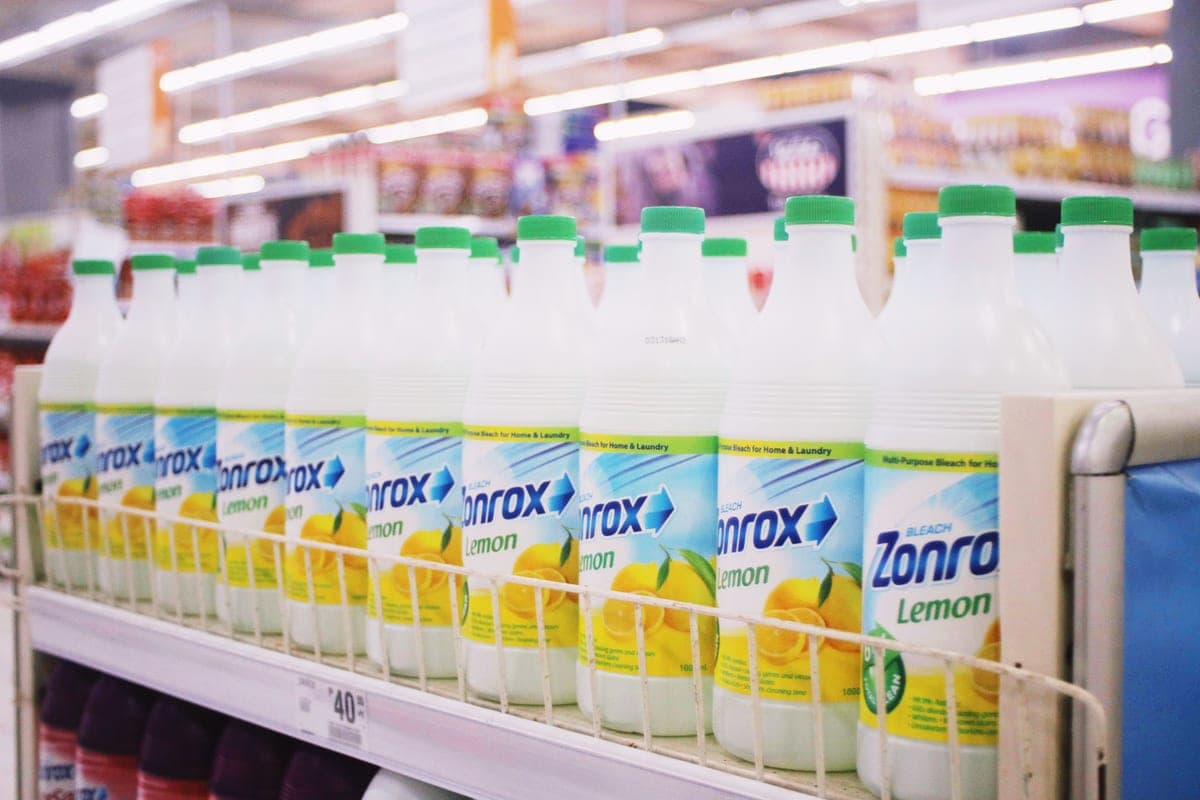
Vinegar yes for scale, bleach no, dishwasher no. With what each one actually does to pleated media.
Guide
Weekly rinse, monthly soak, deep clean at every water change. With the mistakes that halve a cartridge's life.
Guide
Six signs a cartridge is done, what a realistic lifespan looks like, and the cost of running one past it.
Guide
How much filtration is enough, why two cycles beat one, and the arithmetic for working it out for your own tub.
Orientation
The filter is the least glamorous part of a hot tub and the one that determines most of what you notice. Water clarity, how much sanitizer you get through, how often the tub needs shocking and how long a fill lasts before it starts fighting you all trace back to whether the cartridge is passing water properly. A neglected filter makes every other problem on this site more likely.
It is also the part most people buy wrong, for a specific and avoidable reason: cartridge fit is dictated by your tub, not by brand. Pleatco, Unicel and Filbur all make equivalents of the same physical part, cross-referenced to each other by number. Choosing between them is a price and availability decision. Choosing the wrong size is the mistake that costs you, because a cartridge that is nearly right sits in the housing looking fine while water bypasses the media entirely.
Four measurements identify almost any spa cartridge: outer diameter across the widest point of the end cap, length of the media body excluding any handle, and what the top and bottom fittings are. That last one matters as much as the size. A cartridge can be the right diameter and length and still be useless because yours threads into the skimmer and the replacement is a drop-in with an open hole, or the top has a molded handle where yours has none.
Our filter finder works from those measurements to published cross-references, with the source we read each row from listed on the page. Where we have not verified a dimension against a manufacturer datasheet, the table says so rather than filling the cell with a plausible number.
A cartridge fails from oil, not from dirt. Body oils, lotions and sunscreen coat the pleats in a film that water cannot shift, and once the film is established the cartridge restricts flow even though it looks clean. This is why rinsing weekly and never soaking produces a filter that dies in six months, while rinsing weekly and soaking monthly gets you a year or more out of the same part.
The rinse and the soak are different jobs with different tools. A rinse with a fan-jet wand removes debris from between the pleats. A chemical soak dissolves or digests the oil. Neither substitutes for the other, and the single most cost-effective habit in this whole category is owning two cartridges and rotating them, so one is always soaking while the other is in the tub.
Do not put a pleated cartridge in the dishwasher. Do not soak one in bleach. Both circulate as advice and both damage the media in ways that are not visible until the filter stops working. Vinegar is a more interesting case, because it does have a real if narrow use, and we work through all three honestly on the home remedies page.
Cartridges do not last forever regardless of care. The pleats eventually compress and stop springing back, the media loses its ability to release trapped material, and the end caps deform after enough hot cleaning cycles. A cartridge that comes out of a proper soak looking clean but produces weak jets and cloudy water is done, and no further cleaning will change that.
As a planning number, most owners on a rinse-and-soak routine replace a cartridge somewhere around the twelve-month mark, and sooner if the tub sees heavy use. Our page on when to replace a hot tub filter covers the specific signs that mean now rather than later.