
Roundup
The Best Hot Tub Cleaning Tools and Kits
All-in-one maintenance kits against single-purpose skimmers and brushes, judged on what a hot tub actually needs rather than what a pool does.
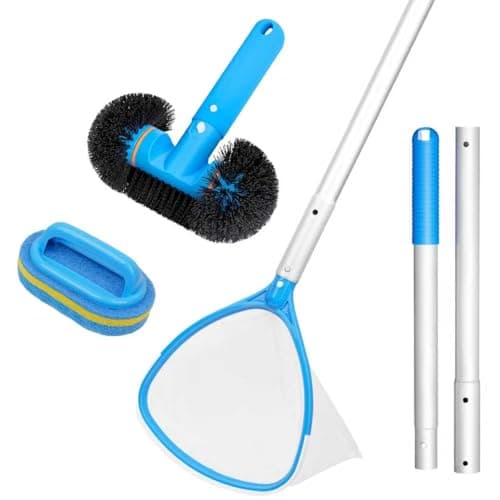
Top pick: TidyMister 4-in-1 hot tub cleaning kit
The whole routine
What to do weekly, monthly and quarterly, what it costs, and when to stop treating old water and just change it.

Everything in this section
Roundup
All-in-one maintenance kits against single-purpose skimmers and brushes, judged on what a hot tub actually needs rather than what a pool does.
Top pick: TidyMister 4-in-1 hot tub cleaning kit
Roundup
Rescue-grade versus routine-grade purge products, and why the flush belongs at every water change rather than once a year.
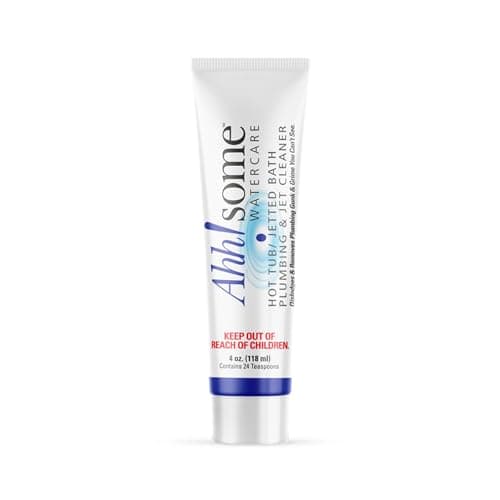
Top pick: Ahh-Some Hot Tub Cleaner
Roundup
Six pumps compared on the spec that matters: how little water they leave behind. Plus the cover pump that shuts itself off in hot water.
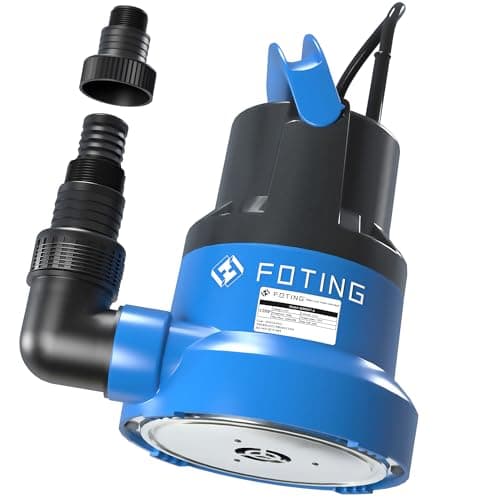
Top pick: FOTING 1/2 HP submersible pump, 0.04 in suction

Roundup
Five shell and surface cleaners compared on cutting the waterline ring, safety on acrylic, and how completely they rinse away.
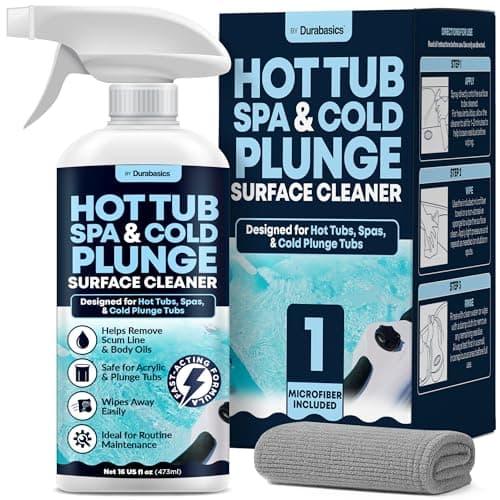
Top pick: Durabasics hot tub surface cleaner kit, 16 oz
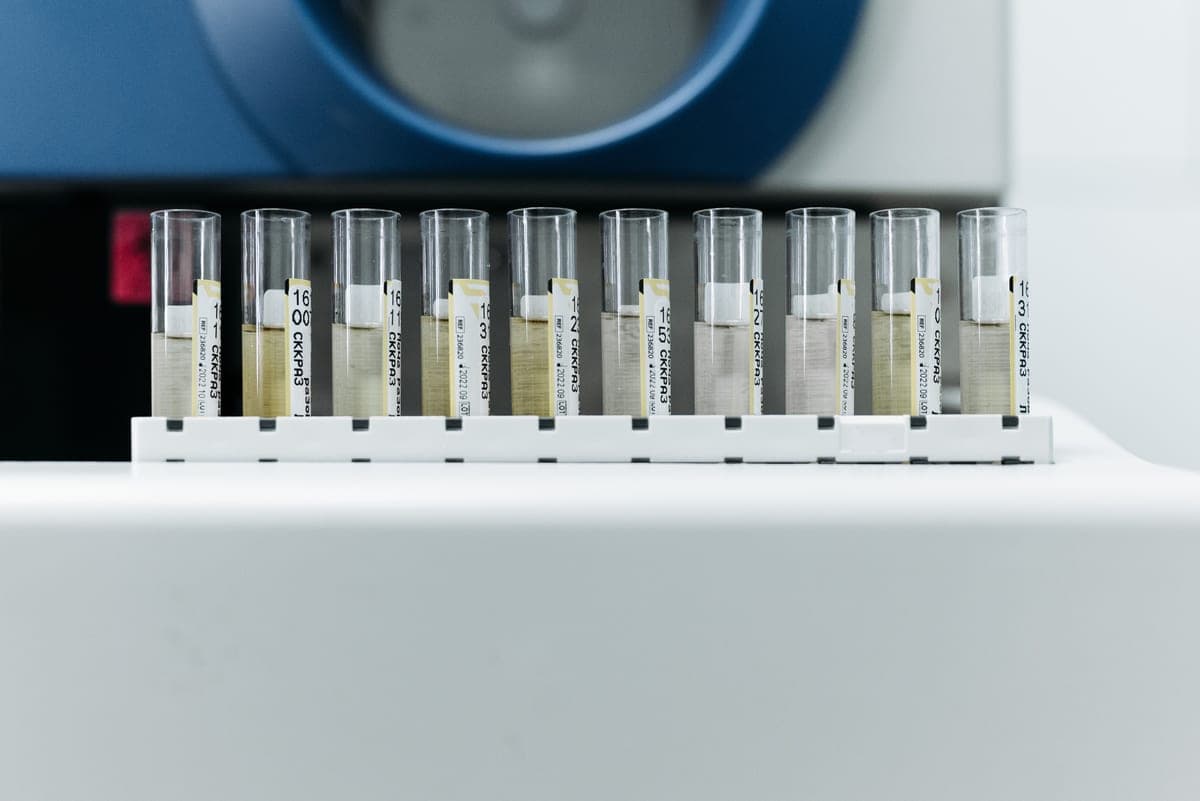
Comparison
Photometers remove color-matching from testing. Whether that is worth several hundred dollars for one hot tub, and the three cases where it is.

Guide
Keep it running, protect the cover, adjust the routine for cold-weather use, and the one case where full winterization is right instead.
Roundup
Six spa vacuums ranked on head shape, power source and debris capacity, plus the honest case for not buying one at all.
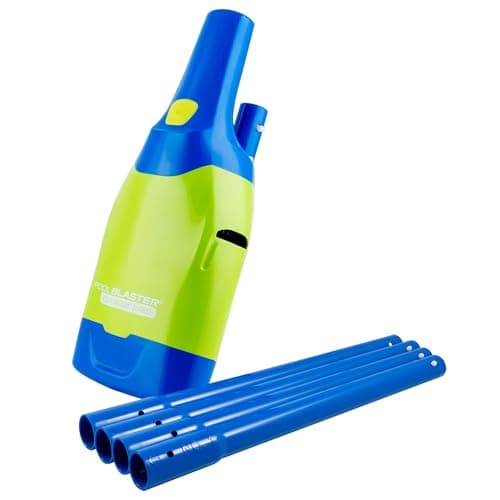
Top pick: POOL BLASTER Aqua Broom Turbo

Comparison
Four cost lines, the arithmetic to put your own numbers in, and where the savings genuinely are.

Comparison
The volume-over-three formula, what shortens it, and the four signs water is finished regardless of the calendar.
Guide
Daily, weekly, monthly and quarterly jobs in one printable table, plus the target ranges to check against.
Guide
The full water change in order, including the purge, the wipe and the airlock-avoiding fill trick.
Guide
The five-step startup sequence, why the order on the bottles is wrong, and the waits between each step.
Guide
The purge procedure step by step, including the air-control step most people miss and the mandatory wipe.
Orientation
Hot tub maintenance is not difficult, but it is unforgiving of being done inconsistently. Fifteen minutes a week keeps a tub in a state where nothing ever goes badly wrong. Three weeks of nothing followed by a panicked afternoon of chemicals produces water that is technically within range and still unpleasant to sit in. The routine is the product here, not any individual bottle.
This section is the spine of the site. Every guide elsewhere ends by pointing back here, because the specific answers only make sense inside the cadence they belong to. If you read one page on this site, make it the maintenance schedule, which lays the whole thing out as a table you can print and stick inside the cabinet door. It is deliberately not behind an email form.
Weekly is a test and a top-up. Read sanitizer, pH and alkalinity, correct anything out of range, add shock after heavy use, and rinse the filter. Fifteen minutes, and it is the single habit that separates owners who enjoy their tub from owners who are always fighting it.
Monthly is the filter soak and a wipe of the waterline. A chemical soak removes the oils a rinse cannot, and the waterline scum ring is the visible edge of the organic load that will eventually turn into foam.
Quarterly is the water change, with a plumbing purge before you drain and a full clean of the empty shell while you have access to it. This is also when a cover conditioner goes on, because it is the one moment you are already outside with the cover off.
Nothing you add to a hot tub ever leaves except by draining. Stabilized chlorine adds cyanuric acid that accumulates and progressively blunts your sanitizer. Balancers add dissolved solids. Body oils and lotions build up faster than shock removes them. Every one of those makes the water harder to keep right, and none of them is visible.
That is why the answer to how often should I change the water is a calculation rather than a number. It depends on your tub volume and how many people use it how often, and there is a standard rule-of-thumb formula for it that we work through on the water change page, along with the conditions that shorten the interval.
Running cost splits into three parts and only one of them is chemicals. Electricity for heating is the largest by a distance, and it is dominated by heat loss, which is dominated by the cover. Chemicals are a modest and fairly predictable monthly figure. Consumables like filter cartridges are annual. Our running costs page shows the arithmetic with the variables spelled out so you can put your own numbers in rather than trusting ours.
The practical takeaway is that the biggest saving available to most owners is not switching chemical brands, it is fixing a cover that has stopped sealing. That is a repair or a replacement, not a purchase decision about sanitizer.
Start with the schedule, then read what chemicals you actually need before you buy anything beyond a start-up kit, then bookmark the first chemicals after a refill for the day you drain it. Those three pages, in that order, cover the first year of owning a hot tub without you needing anything else.