
Roundup
The Best Hot Tub Clarifiers and Defoamers
Five products for cloudy and foaming water, ranked by whether they address the cause or buy you an evening.
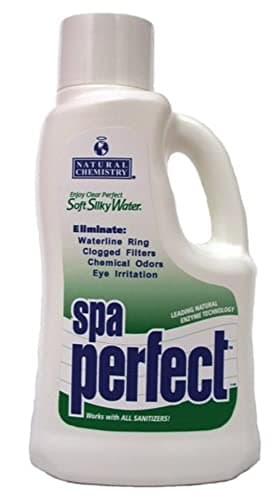
Top pick: Natural Chemistry Spa Perfect
Diagnose it first
Every page in this section starts by working out which problem you actually have, then gives you the one fix for that branch.

Everything in this section
Roundup
Five products for cloudy and foaming water, ranked by whether they address the cause or buy you an evening.
Top pick: Natural Chemistry Spa Perfect

Roundup
Floating oil-absorbing sponges compared on absorption, whether they survive being rinsed and reused, and what they will and will not fix.
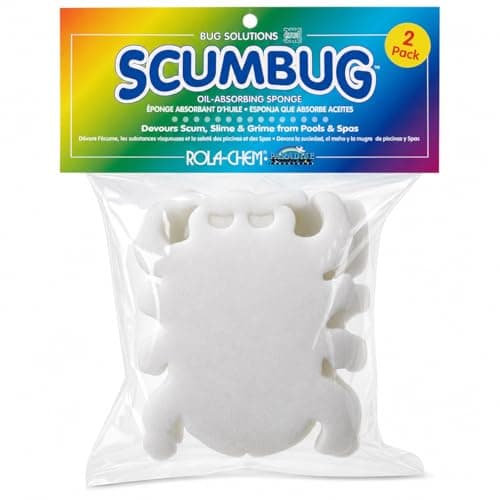
Top pick: Scumbug oil-absorbing sponge, 2-pack

Roundup
Scale removers separated from scale preventers, with honest scoring on each job and the fill-water fix that beats both.
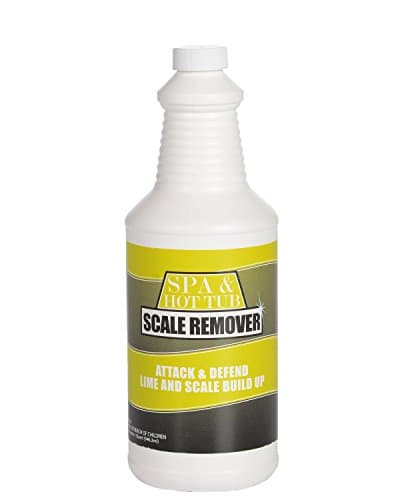
Top pick: Spa and Hot Tub Scale Remover, 1 quart

Roundup
Find the leak first, then match the fix to it. Dye, two sealers, O-ring lube, underwater putty and an inflatable patch, each with the leak it actually suits.
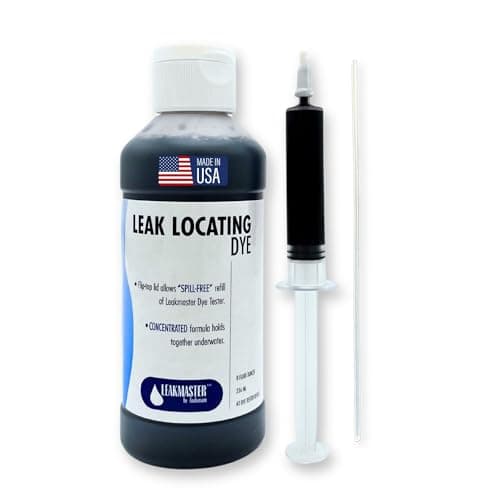
Top pick: Leakmaster leak detection dye kit
Guide
Why well water stains a hot tub, which products actually stop it, and the fill order that keeps metals out of the shell.
Guide
Identify the mark by color, then the fix for that branch. Plus why scale on the heater is the expensive version of this problem.
Guide
What the ring actually is, how to remove it without damaging acrylic, and the habits that stop it forming in the first place.

Guide
What the CDC publishes about hot tub rash, when to see a healthcare provider, and the water-side conditions behind it.
Comparison
Two products doing different jobs, compared honestly. Enzymes cut sanitizer demand and scum; they do not sanitize.
Comparison
Three mechanisms compared, with the specific situation each one is right for and why flocculant is rarely it.
Guide
Five branches keyed to what you can observe, each ending in one specific fix. Including the balanced-but-still-cloudy case.
Guide
Four branches keyed to when the foam started, and the difference between collapsing foam and removing what causes it.

Guide
Four signs it is biofilm rather than a water problem, the purge procedure, and why water treatments cannot reach it.
Guide
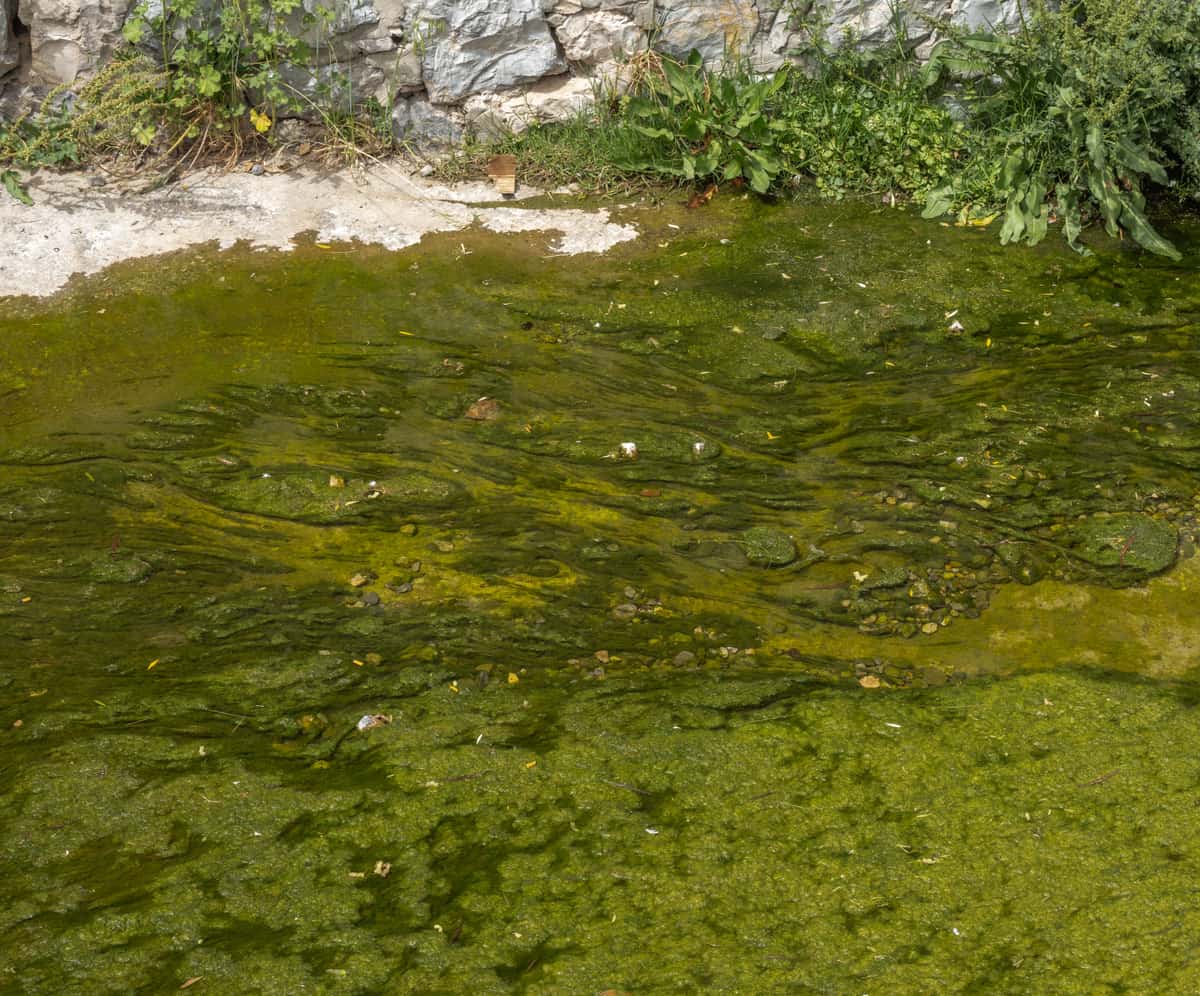
Three branches by color, why algaecide is the wrong purchase, and the drain-and-purge case.
Orientation
Almost every hot tub problem announces itself the same way: you lift the cover and the water is wrong. Cloudy, foaming, slick to the touch, smelling of something. What makes this category difficult is not that the fixes are hard, it is that four completely different causes produce water that looks nearly identical from above.
That is also the gap in most of what is written about it. The pages that rank for cloudy hot tub water tend to list five possible causes and then give four fixes in a fixed order, without ever telling you which cause is yours. If your chemistry is genuinely balanced and the water is still cloudy, that page structurally cannot help you. Every guide in this section is built the other way round: a short branch at the top keyed to something you can observe, and then one section per branch that ends in a specific action and a specific product.
Chemistry. Sanitizer too low, pH drifted, alkalinity unbuffered, calcium out of range. This is the most common single cause and the cheapest to fix, because a test strip and a scoop of the right balancer resolves it in an afternoon. It is also the cause people skip past, because reaching for a bottle of clarifier feels more like doing something than reading a number does.
Filtration. A cartridge loaded with body oils passes less water every week, and the decline is gradual enough that you never notice a day it got worse. Cloudiness that appears slowly over a month, in water that tests fine, is a filter problem far more often than a chemistry one. The test is simple: clean the filter properly and see whether the water clears.
Organic load. Lotions, deodorant, sunscreen, sweat and detergent from swimwear all end up in the water, and sanitizer alone does not remove them. They accumulate as a haze, a foam and a scum line at the waterline. This is what shock is for, and what enzymes handle continuously between shocks.
Biological growth. The one that lives where you cannot see it. Biofilm forms on the inside of the plumbing, not in the water, which is why a tub can test perfectly and still smell, and why a tub that keeps consuming sanitizer for no visible reason usually has a plumbing problem rather than a water problem.
Test before you dose. It sounds obvious and almost nobody does it, because reaching for a bottle is faster than finding the strips. But the four causes above need four different responses, and three of the four will do nothing at all for a problem caused by the fourth. Clarifier added to water with no sanitizer in it is a way of spending money to make the same water slightly shinier for a day.
Then work outward from cheapest and most likely. Balance the water and confirm the sanitizer residual first. Clean the filter properly, which means a chemical soak rather than a rinse. Shock to clear the organic load. And if the problem survives all three, the answer is almost always in the plumbing, which means a purge, a drain and a refill rather than another chemical added to old water.
The one judgment call worth making early is when to stop treating and start over. Water has a service life: sanitizer by-products, cyanuric acid from stabilized chlorine, dissolved solids and accumulated body oils all build up and none of them leave except by draining. A tub that fights you every week is often not a tub with a problem, it is a tub with old water in it. Our page on how often to change hot tub water works through where that line actually sits.
It will not tell you that a single bottle fixes everything, because nothing does. It will not give you a health verdict on water that looks wrong: where safety is genuinely at stake, we quote the CDC and point you at their guidance rather than paraphrasing it. And it will not sell you a remedy for a problem you have not confirmed you have. Several of the products named in this section are explicitly worth skipping unless a specific test result says otherwise, and where that is true we say so on the page rather than in the small print.