
Roundup
The Best Hot Tub Covers
Weather covers versus real foam replacements, and the honest answer about where the latter are actually sold.
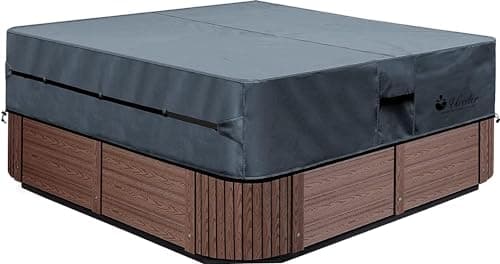
Top pick: Hot tub cover cap
The most expensive thing to get wrong
A cover is the biggest single lever on your running cost and the item most often bought to the wrong measurements.
Everything in this section
Roundup
Weather covers versus real foam replacements, and the honest answer about where the latter are actually sold.
Top pick: Hot tub cover cap
Roundup
Replacement lids for inflatable hot tubs compared on diameter fit, insulating thickness and how they fail, plus why a flat lid shows up as a heating bill.
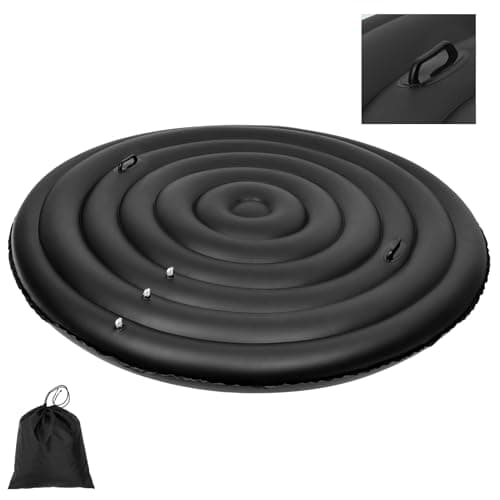
Top pick: Puzau inflatable spa cover, round
Roundup
Replacement latches, keyed locks and over-cover wind straps compared. The cheapest repair on this site, and the one most likely to save a cover.
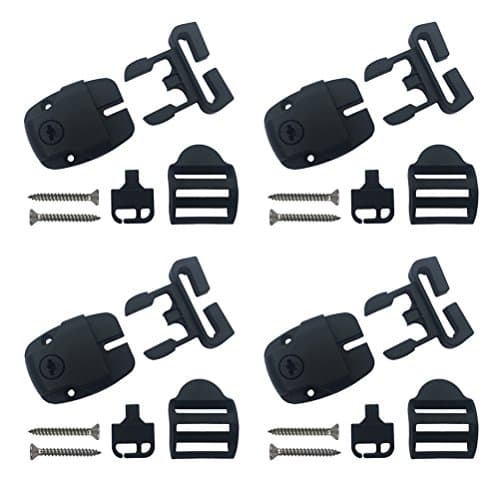
Top pick: Spa cover latch repair kit with keys, 4-set

Comparison
A cover cap is a waterproof jacket for the cover you already own. The arithmetic on whether it pays, and the two cases where it does not.

Guide
The measurements to take before you order, the install in order, and the two mistakes that mean a second set of holes.
Roundup
Five lifters ranked on effort saved and clearance needed, with the measurement that decides which will actually fit.
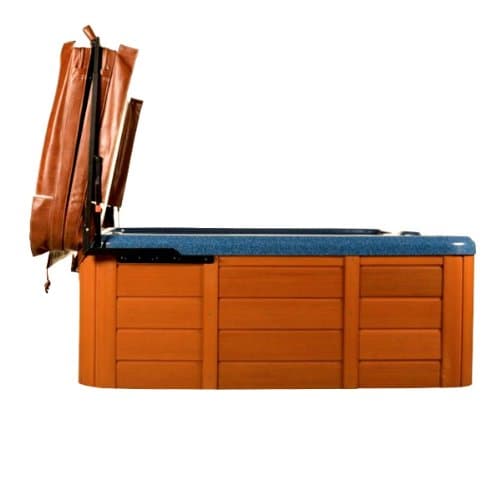
Top pick: Cover Valet cover lifter
Roundup
Four products in a two-step routine that measurably delays the failure chain, plus the household cleaners that make it worse.
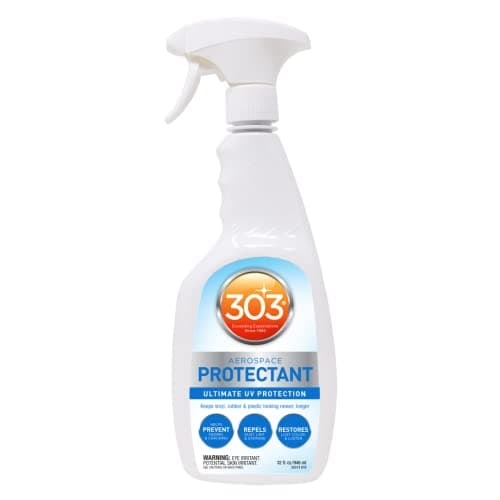
Top pick: 303 Aerospace Protectant
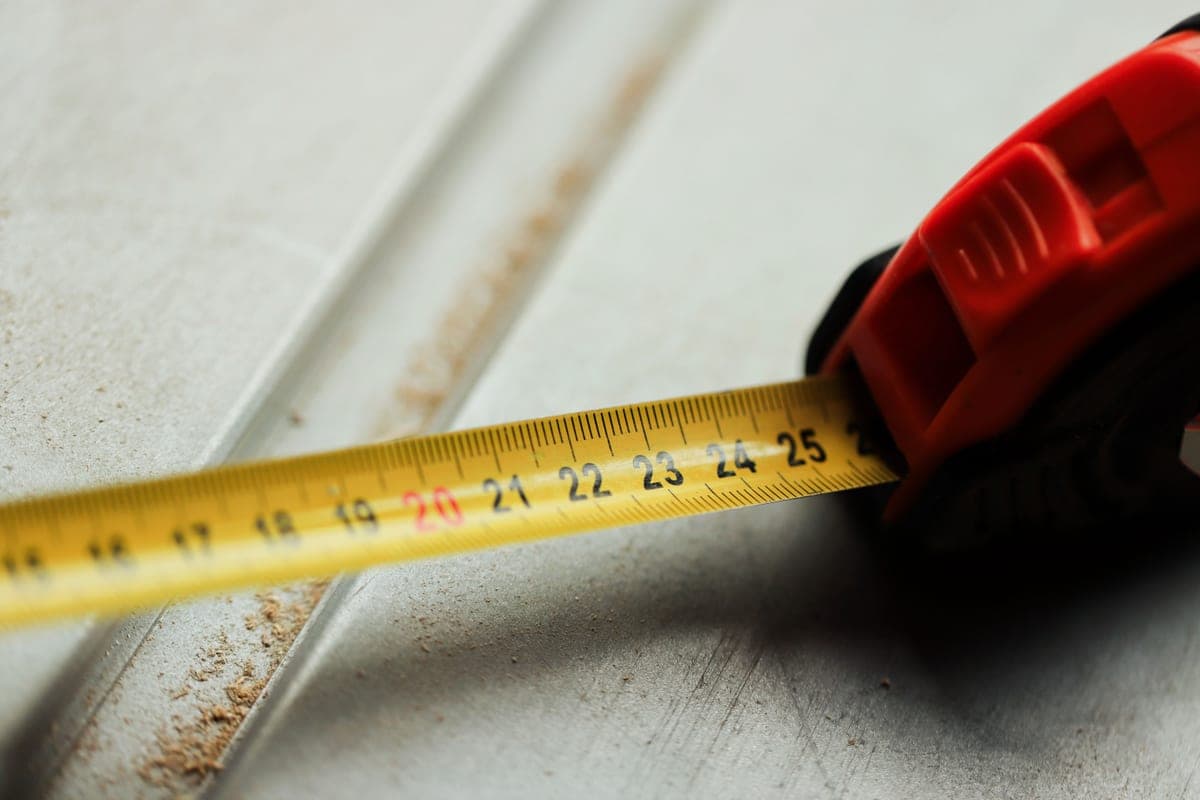
Finder
The five measurements, where exactly to take each one, and the corner radius trick that stops people guessing.
Comparison
The bubbles-down answer in the first line, then the real difference between insulation and evaporation control.

Guide
The lift test, the three repair options that are genuinely worth doing, and the point where replacement is the cheaper answer.
Guide
What snow load does to foam, the specifications that matter in a cold climate, and how to clear a cover without wrecking it.
Orientation
The cover is the most expensive accessory a hot tub has and the one that quietly decides your electricity bill. A tub sitting at 102F loses heat two ways: through the shell and cabinet, which the manufacturer designed, and off the water surface as evaporation, which is entirely down to what is sitting on top of it. Evaporation is by far the larger of the two, which is why a failing cover shows up on a utility bill before it shows up anywhere else.
It is also the category with the widest gap between what people search for and what is written about it. Real queries here are literally dimensions, because someone is standing over a tub with a tape measure. The best measurement guidance in the niche was published in 2019 and never updated. That is the specific gap this section exists to fill.
UV cracks the top vinyl skin. Water gets into the foam through the cracks. The foam takes on weight, the cover sags, the seal against the rim stops being a seal, and heat starts leaving. By the time a cover is too heavy for one person to lift, it has usually been costing money for a year already.
Nothing in that chain is fast, and every link is delayed by two cheap habits: keeping a UV protectant on the vinyl a few times a year, and stopping standing water from sitting on the top. A cover cap costs a small fraction of a replacement and addresses both. It is the single best value purchase in this section and it is nobody’s idea of an exciting one.
Worth being direct about this, because it changes where you should buy. Cover lifters, conditioners, cleaners, cover caps, thermal blankets and universal weather covers are all widely available on general marketplaces and are perfectly good buys there. Genuinely custom-fit replacement covers, made to your measurements with a tapered foam core, are not. They are sold direct by specialist makers.
We are not in any of those makers’ affiliate programs, so when we point you at them we earn nothing, and we say so on the page rather than hiding it. That is the correct answer for the reader and we would rather publish it than route you to a marketplace product that does not do the job you need.
A custom cover made to a wrong number is not returnable in any useful sense, which makes measuring the highest-stakes ten minutes in hot tub ownership. Five figures matter: length, width, corner radius, skirt depth and fold direction. The corner radius is the one people guess at, and guessing produces a cover that will not seal along two edges.
Our cover size guide walks each measurement with the reference points named explicitly, and the replace-or-repair page covers the decision that comes first: whether the cover you have is actually finished, or whether a foam core swap fixes it for a fraction of the price.
Not because they are clever, but because a wet foam cover is heavy and awkward and a lifter turns a two-person job into a one-person one. The decision is almost entirely about clearance: every design needs room somewhere, and the most common return in the category is not a faulty lifter but one that physically cannot open in the space available. Measure all four sides before you order.